Dorset · Dorset
Fossil hunting at Charmouth
Perhaps the best beginner's fossil beach in Britain, with a heritage centre and an easy, productive foreshore.
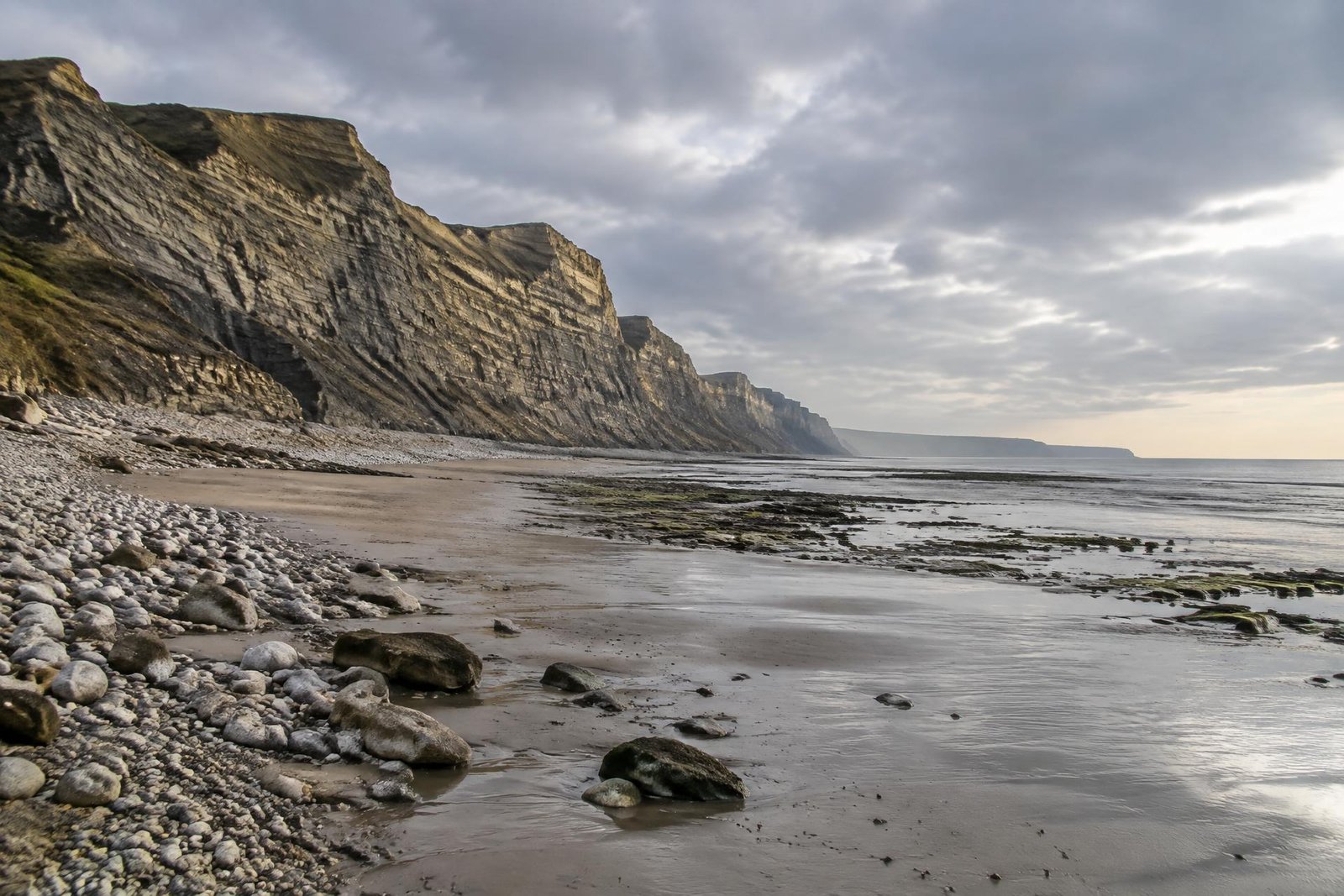
Representative photography of this stretch of coast, not a photograph of the site on a particular day.
What can you find?
- AmmonitesCoiled shells of extinct marine molluscs, the classic British fossil.Identify →
- BelemnitesBullet-shaped internal guards of squid-like Jurassic and Cretaceous animals.Identify →
- BivalvesFossil shellfish with two matching valves, common on most marine sites.Identify →
- Fossilised woodDriftwood and tree remains replaced by minerals, sometimes as jet or lignite.Identify →
- Marine reptile remainsIchthyosaur and plesiosaur vertebrae, teeth and bone fragments.Identify →
About the site
Charmouth is a mile east of Lyme Regis and shares the same Lower Jurassic sequence. The beach is broad, the access is straightforward and the shingle is regularly restocked with ammonites and belemnites eroding out of the cliffs and the Black Ven mudflows.
The Charmouth Heritage Coast Centre sits directly on the beach and is the single most useful resource on this coast: staff identify finds, run guided walks and post current advice on cliff conditions.
Most finds here are small — ammonite fragments, belemnite guards, pyritised ammonites in the shingle. Patient searching of the fine shingle rather than the open sand produces the best results.
Planning a visit
- Geological period
- Early Jurassic (Charmouth Mudstone and Blue Lias), around 199–190 million years old
- Difficulty
- Beginner
- Suitable for children
- Yes, with supervision and attention to the tide and cliffs.
- Best time to go
- Winter and spring after storms. Low tide at any season.
- Tides
- Go out on a falling tide and turn back well before low water. Check a local tide table on the day and allow time to return.
- Access
- Level surfaced access from the car park to the beach front and the heritage centre. The beach is shingle and can be hard going.
- Parking
- Large pay and display car park at Charmouth beach.
- Walking and terrain
- Beach immediately by the car park. Black Ven lies about 1 km west along the foreshore.
- Location type
- Beach, Cliff
- Collecting
- The West Dorset fossil collecting code applies. Collect loose material only, and show unusual finds to the Charmouth Heritage Coast Centre — significant specimens are recorded there.
Safety
- Black Ven is one of the largest coastal landslides in Europe and is genuinely dangerous. Keep well clear of the cliff and the mudflow toes.
- Mud can be deep and soft after rain.
- Check the tide before walking towards Lyme Regis; the route can be cut off.
What to bring
- Boots with grip
- Tide table
- A small container for delicate pyritised finds
- Waterproof jacket
Nearby fossil locations
- 01Lyme RegisDorset · DorsetAmmonites · Belemnites · Bivalves · Marine reptile remainsBeginnerFamily friendlyBeach, CliffExplore location →
- 02SeatownDorset · DorsetAmmonites · Belemnites · Bivalves · Fossilised woodEasyFamily friendlyBeach, CliffExplore location →
- 03Eype BeachDorset · DorsetAmmonites · Belemnites · BivalvesEasyFamily friendlyBeach, CliffExplore location →